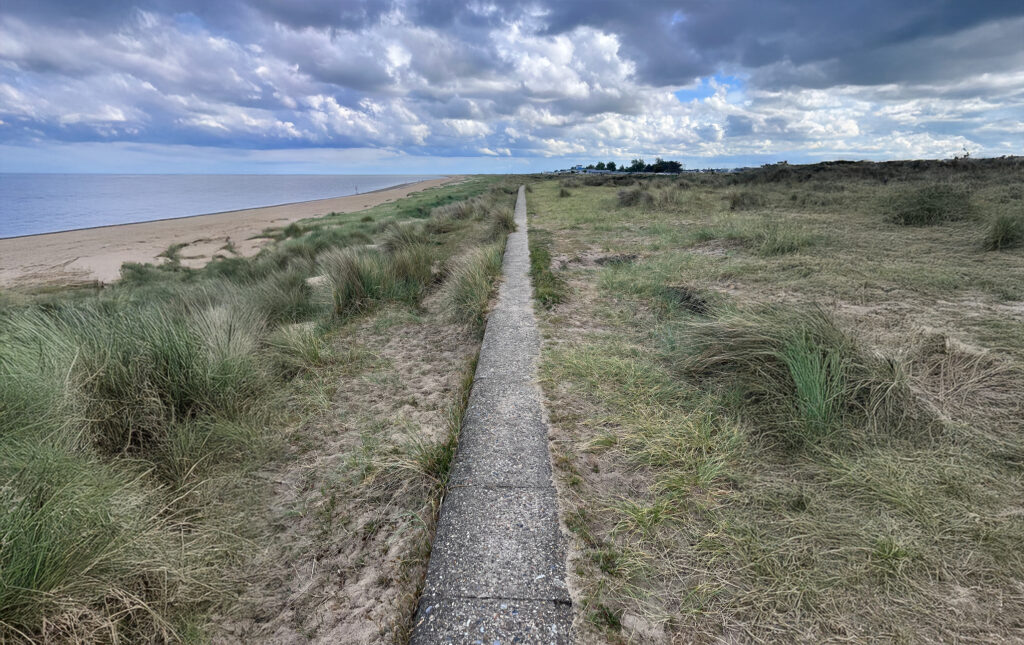
Last week, my wife Jane, my daughter Evie and I spent a few days away at a Haven on the Norfolk coast.
Before I went, Matt had sent out his email about Nashville and how Broadway ended up teaching him a lesson about marketing.
So naturally, I spent most of my holiday looking for my own marketing inspiration (we get a little competitive here)
Now, I should probably acknowledge that Haven isn’t quite Nashville.
There were no country music bars. No live bands hanging out of windows. And while I did hear somebody singing Sweet Caroline at one point, it was in the entertainment complex after what appeared to be several pints.
Ironically, without even looking I eventually found it in the amusement arcade.
Like most seaside arcades, it’s packed with flashing lights, sound effects and machines all competing for your attention.
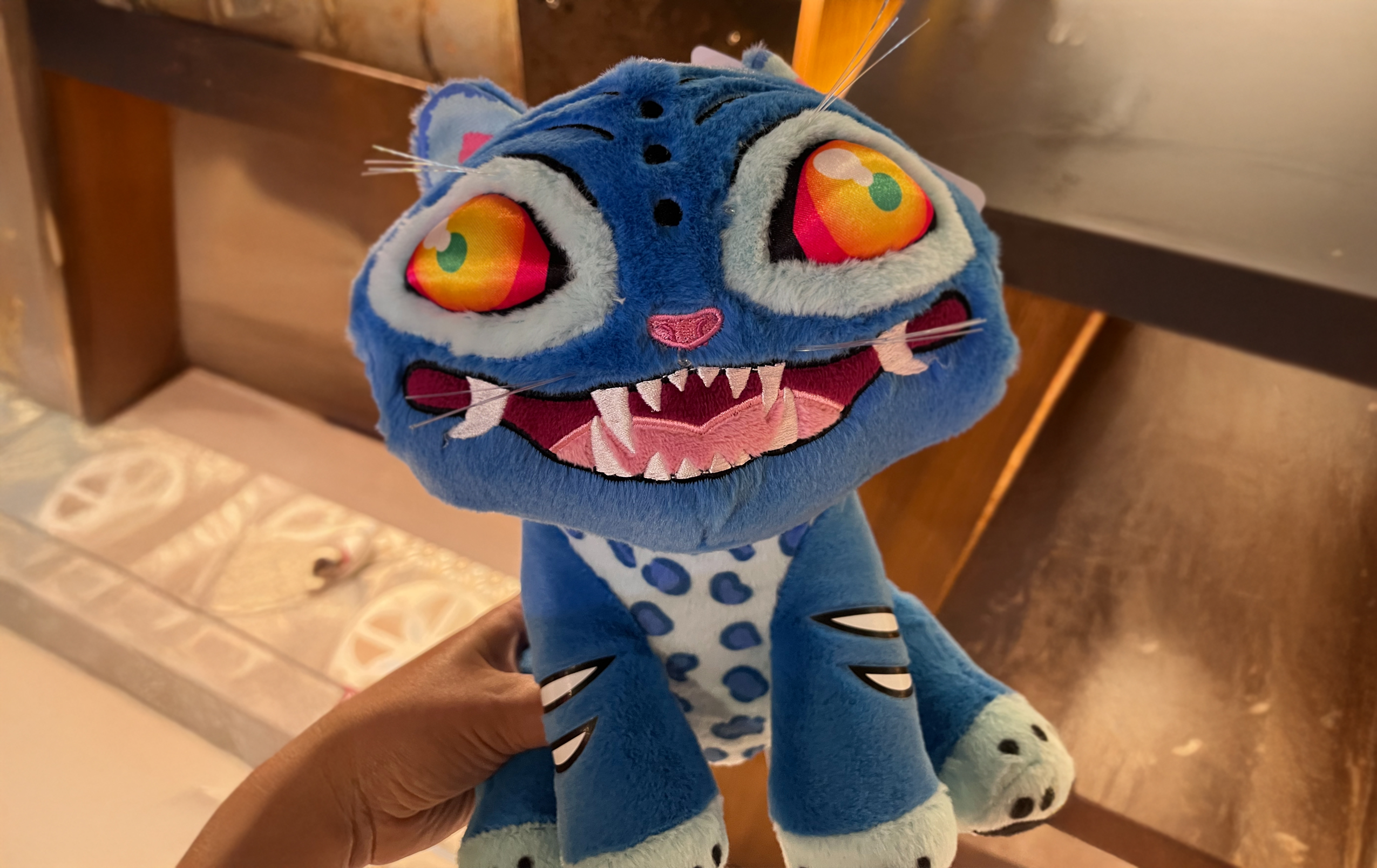
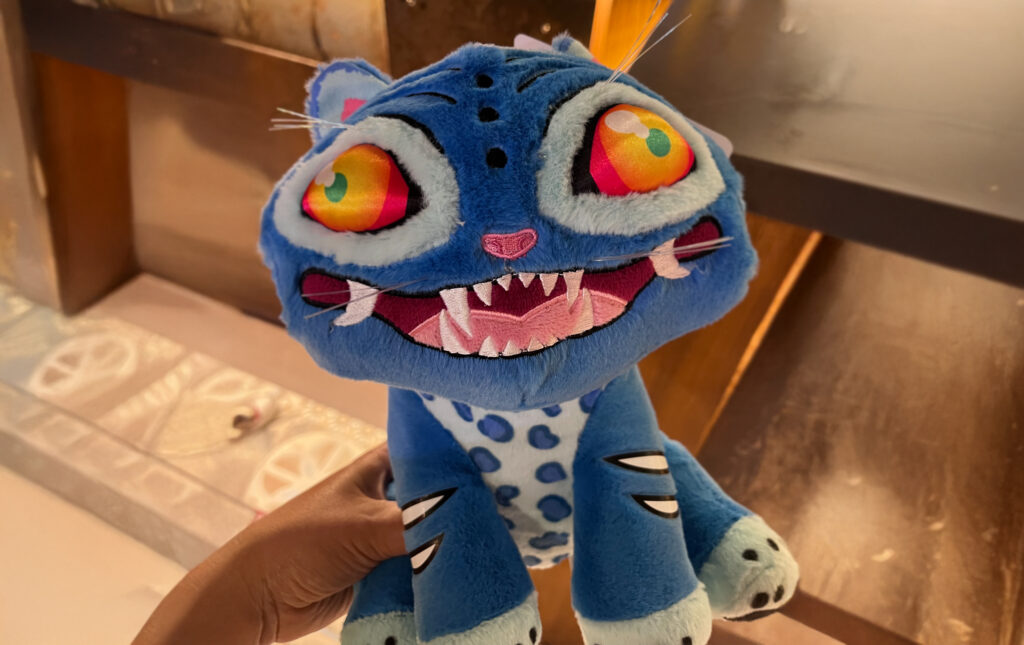
One machine in particular seemed to have a constant crowd around it. The prizes were various K-Pop Demon Hunter teddies (If you’re the parent of a young daughter, you know…)
Every few minutes somebody would put another pound in and have another go. Then another. Then another. Parents were joining in (including my wife) Kids were encouraging them.
People were getting agonisingly close and convincing themselves that the next attempt would definitely be the winning one. What made me laugh was that later that day, I spotted exactly the same teddy for sale on the pier. £15…
Which got me thinking. Most of the people around that machine had probably spent more trying to win the teddy than it would have cost to simply buy it. But then I realised something.
They weren’t really paying for the teddy. They were paying for the experience. The excitement when it grabbed hold. The frustration when it slipped. The encouragement from everyone standing around watching. And the possibility that the next attempt might be the one. If somebody eventually won that teddy, they’d probably spend the rest of the day talking about how they won it. Nobody would talk about the £15 teddy on the shelf.
They’d talk about the story.
And that’s not all that different from how people choose businesses. Most companies spend a lot of time talking about what they do.
Their services.
Their products.
Their specifications.
But customers often remember the experience they had with a business far more than the thing they actually bought.
They remember how easy the process was.
They remember how they were treated.
They remember the problem that got solved.
And they remember the story they tell afterwards. That’s why the best marketing isn’t always about listing features. It’s about helping people picture the experience they’ll have and the outcome they’ll achieve. Because sometimes the story is worth more than the teddy. (P.S Jane won it
PS – If you’re struggling to explain why somebody should choose your business over a competitor, hit reply. Sometimes a few small tweaks to the way you tell your story can make a surprisingly big difference.
Peter Cox