Have you ever noticed how quickly we make our minds up about a business?
We all do it.
You land on a website, glance at a logo, see a few photos and, within seconds, you’ve already started filling in the blanks.
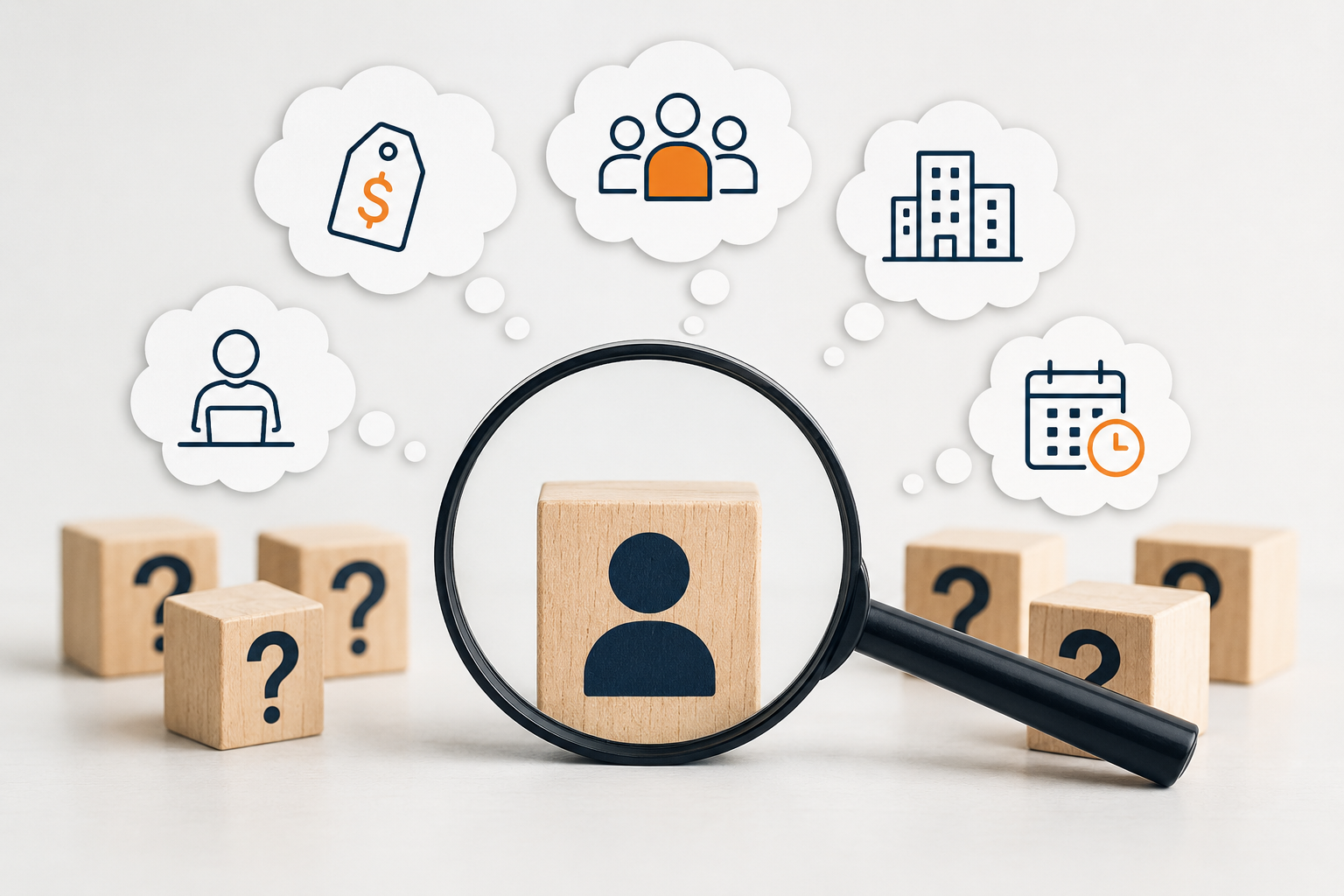
“They’ll be expensive.”
“They’re probably too small.”
“They only work with big companies.”
“They’re a one-man band.”
“They’re all style and no substance.”
“They look a bit dated.”
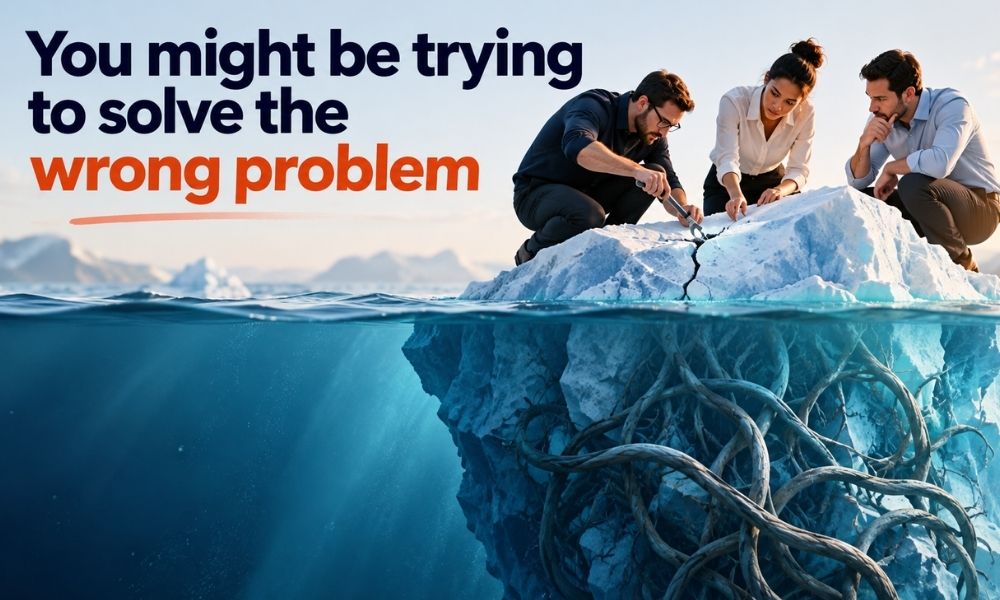
The funny thing is, most of these assumptions are completely wrong.
Earlier this week I had a conversation with a prospective client who admitted something that made me smile.
“I nearly didn’t get in touch because I assumed you only worked with big businesses.”
Now, if you know The Bright Click, you’ll know that’s miles from the truth – we work with businesses of all shapes and sizes!
Yes, we’ve worked with national brands and household names.
But we’re equally happy helping sole traders or local estate agents, accountants or restaurants grow their businesses, and we’re very proud of the differences that we’ve made when given the opportunity to.
In many cases, helping smaller clients to grow their businesses has enabled us to do the same.
If that client hadn’t picked up the phone, we’d never have had the chance to correct the assumption they’d already made.
And it got me thinking. how many potential customers are making assumptions about your business every single day?
Maybe they think you’re too expensive.
Maybe they think you’re too cheap.
Maybe they think you’re too corporate.
Maybe they think you’re too small to cope.
Maybe they think you only work in one industry.
Maybe they think you’re based somewhere else.
Maybe they think you’re no longer trading because you haven’t updated your website since 2022.
None of those things have to be true.
The problem is, if you don’t answer the questions people have in their heads, they’ll answer them for themselves.
One of my favourite business books is They Ask, You Answer by Marcus Sheridan.
The premise is brilliantly simple: if customers are asking a question, answer it. Honestly. Publicly. Before they have to ask.
I’d actually take that one step further.
Don’t just answer the questions people ask.
Answer the questions they never ask because they’ve already made an assumption.
If people think you’re expensive, explain why your pricing works the way it does.
If people think you’re too small, introduce your team.
If people think you’re too corporate, show the people behind the business.
If people assume you only work locally, tell the stories of clients further afield.
If they think your process is complicated, show them how straightforward it actually is.
Your website shouldn’t just tell people what you do.
It should remove reasons not to contact you.
The same applies to social media.
One of the biggest opportunities I see businesses missing is showing what’s really happening behind the scenes.
People don’t just buy services anymore.
They buy confidence.
Confidence that you’ll turn up.
Confidence that you’ve done it before.
Confidence that other people trust you.
Confidence that you’re genuine.
That’s why the posts that often perform best aren’t the polished sales messages.
They’re the photos from site visits. The quick video from the office. The story about solving a difficult problem. The client testimonial. The lesson learned from a mistake. The trip to a conference. The snapshot from a training session.
Every one of those chips away at an assumption someone may have been making about your business.
So here’s a challenge for you this week.
Ask yourself one simple question.
What are people probably assuming about my business?
Then make a list.
Now look at your website.
Look at your LinkedIn page.
Look at your Facebook profile.
Look at your latest emails.
Do they actually answer those assumptions?
Or are you expecting people to figure it out for themselves?
Because the businesses that win aren’t always the ones with the best product.
Quite often, they’re simply the ones that leave the fewest unanswered questions.
Book a time in my diary for a chat
Matt